About Kerry

I've spent more than 20 years supporting mothers — and watching the women who serve them try to carry far too much alone.

I'm Kerry Ingram. A parent of a teenage son, Waldorf early childhood educator, postpartum doula, maternal mental health advocate, community organizer, and the founder of Held by the Village.

For more than two decades, I've worked alongside mothers, babies, families, and the professionals who care for them.

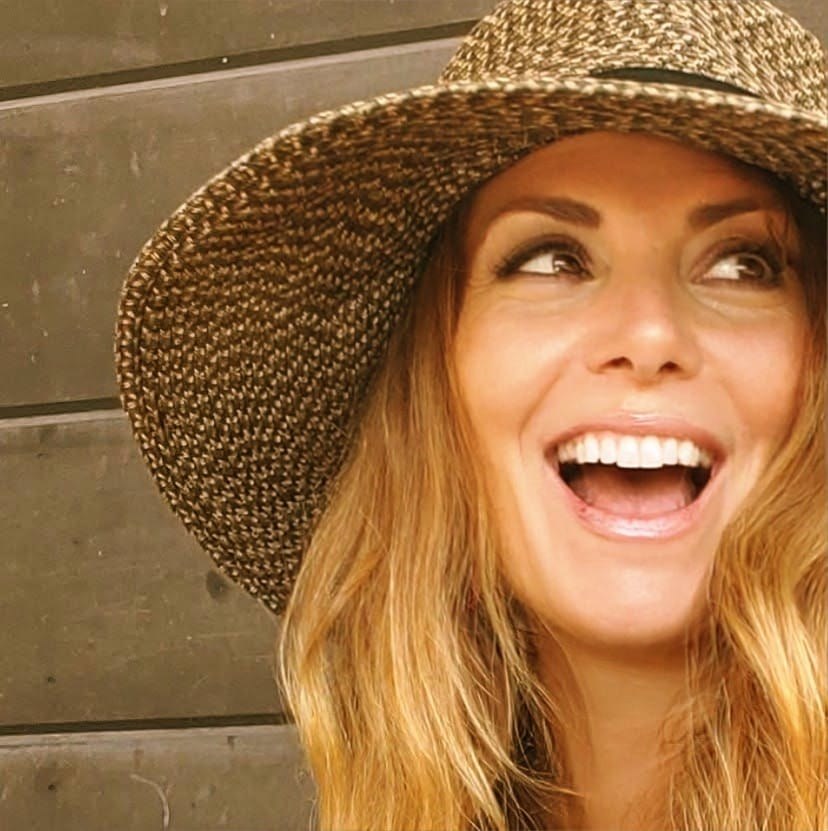
Kerry Ingram, founder of Held by the Village
Kerry Ingram

Over the years, I began noticing
the same pattern again and again.

Birth workers become extraordinarily skilled at what they do.

They take another training.

Earn another certification.

Learn another modality.

Add another service.

They become more valuable to the families they serve — but their businesses don't necessarily become more sustainable.

More expertise doesn't automatically solve feast-or-famine income. And learning how to do one more thing doesn't necessarily make the work less isolating, less unpredictable, or easier to carry.

Eventually I realized that the answer wasn't asking birth workers to become more. It was helping them build more around what they already do.

More community.

More trusted relationships.

More collaboration.

More recurring ways to serve.

More people carrying the work together.

Stop trying to become everything. Build the ecosystem.

That belief sits at the heart of Held by the Village.

I knew the theory long before
I understood the whole truth.

Before I became a mother, I had already spent years working with young children and families. I understood infant development. Attachment. Rhythm. Relationship-based care. I had worked as a postpartum doula and studied maternal mental health.

I thought all of that knowledge would somehow make motherhood easier. And in some ways, it did.

But knowing what a baby needs is not the same thing as knowing how a woman stays whole while becoming a mother. And as a mother myself, I know this truth intimately:

You don't lose yourself all at once. It happens one polite abandonment at a time.

You say yes when you need to say no.

You tell people you're fine because explaining otherwise feels harder.

You stop asking for help because everyone else seems to be managing.

Your needs become negotiable.

Rest becomes something you feel like you have to earn.

And little by little, the woman underneath all that caregiving can become harder to hear.

It usually wasn't a knowledge problem.

That experience changed the way I understood postpartum support. And what I experienced personally was something I would later see again and again in the women I served.

It was an isolation problem.

A support problem.

A belonging problem.

A culture problem.

And sometimes, simply a problem of trying to carry too much without enough people around you.

Mothers didn't need another person telling them what to do. They needed places where they could be seen. Heard. Witnessed. Connected. Supported.

They needed skilled professionals, of course. But they also needed one another. They needed elders. They needed people who knew their names. They needed trusted referrals. They needed somewhere to bring the messy, confusing, funny, tender parts of motherhood that don't fit neatly into a doctor's appointment or an Instagram caption.

And they did not need the added burden of piecing all of that support together themselves while caring for a newborn and recovering in a postpartum body. They needed that support baked into their community.

That realization fundamentally changed the way I thought about postpartum care.

I stopped seeing support as a collection of individual services. I started seeing it as an ecosystem.
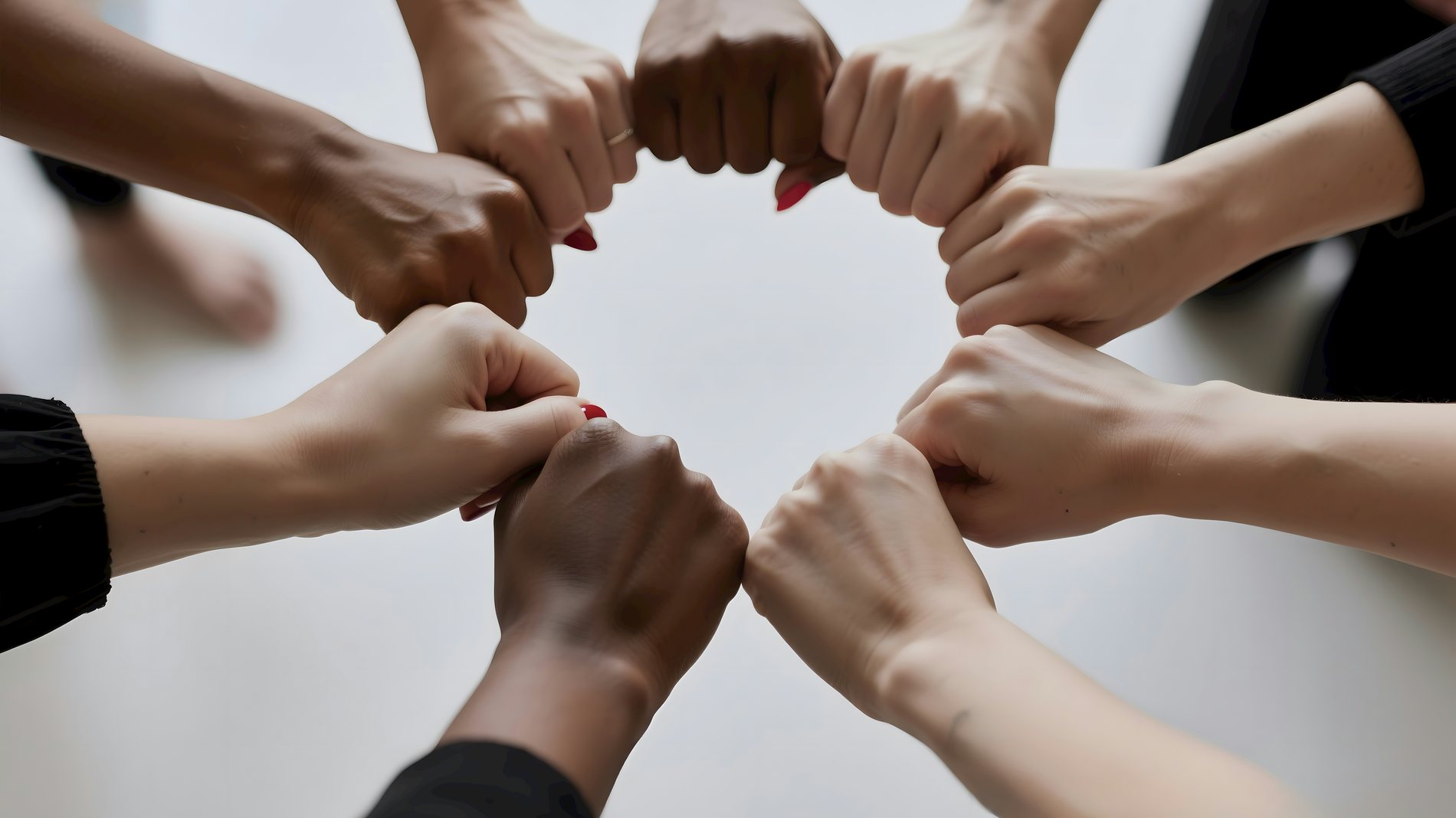
Hands resting together in a circle of mothers

So I began creating the rooms I wished more mothers had. Rooms where women could speak without being interrupted. Where no one rushed in to fix them. Where babies were treated with presence and respect. Where mothers could discover resources they didn't know existed. Where trusted professionals could become part of the community. Where elders had a place alongside new mothers and babies.

Maybe I'm not failing. Maybe I'm trying to do something that was never meant to be done alone.

What began as a mother-and-baby group
became something much bigger.

Over the years, the work developed into a distinct methodology. A way of gathering mothers that integrates five essential elements.

01

Relationship-Based Care

Babies are not passive participants in the room. They are people in relationship. We model attunement, rhythm, respect, and presence so mothers can see the ordinary work of feeding, changing, soothing, and caring for a baby as the foundation of safety and trust.

02

The Witness Circle

Not every mother needs advice. Sometimes she simply needs to finish the sentence. Our circles are built around clear agreements that allow women to speak without interruption, fixing, comparison, or unsolicited solutions. The result is something many mothers rarely experience: being fully heard.

03

Naming the Overstory

So much of what women believe they are personally failing at is bigger than one mother. Productivity culture. Bounce-back culture. Consumerism. Beauty standards. The pressure to do everything right. The belief that asking for help means you are not coping well enough. When we name the larger stories shaping motherhood, shame begins to loosen its grip. Women stop seeing every struggle as personal inadequacy and begin recognizing the systems and expectations surrounding them.

04

Choice Illumination

Many new mothers do not know what support exists until they desperately need it. When trusted professionals are brought into community, mothers get to experience resources and relationships they may never have discovered on their own. And the professional leading that community becomes a trusted connector inside the local care ecosystem.

05

Elder Wisdom

Motherhood was never meant to happen without generations surrounding it. Modern life has separated many families from the elders, rituals, and wisdom that once supported major life transitions. Inviting elders back into the circle restores perspective, lived experience, humor, patience, and continuity. Because none of us are meant to figure everything out alone.

And over time, I began teaching other women how to create those rooms too.

The goal was never simply to gather mothers. It was to create the conditions where real community could take root.

The practitioners
changed too.

More connected

The birth workers facilitating these spaces became more connected to local professionals. More visible in their communities.

More referable

They developed relationships that continued beyond a single client or a single birth. They became people families knew to call.

More confident

More confident. More rooted in their work.

More like leaders

They became community leaders. That is when I began to understand that this methodology was not only supporting mothers. It was creating a different way for birth workers to build their businesses too.

You may not need to become
the lactation consultant.

I've watched birth workers spend thousands of dollars on trainings and certifications because they genuinely want to serve families better. There is nothing wrong with becoming more skilled. But there comes a point where the next certification is no longer the answer.

The pelvic-floor therapist.

The nutritionist.

The therapist.

The postpartum chef.

The parenting expert.

You may simply need to know who they are. To build relationships with them. To bring them into the room. To become the person who connects mothers with the support they need.

You don't become more valuable by knowing how to do everything. You become more valuable by knowing how to bring the right people together.

That shift changes the experience of the family. And it changes the experience of the practitioner.

Meaningful work and sustainable work
should not have to be opposites.

When people stop trying to carry everything alone,
we begin to create a different kind of culture.

Because when birth workers are supported, they can support mothers more sustainably. When mothers are supported, families become more supported. When families are supported, communities become stronger.

One built less around hyper-individualism, productivity, and doing everything ourselves. And more around relationship, reciprocity, care, belonging, and interdependence.

A more matriarchal way of thinking about value — not as who can carry the most alone, but as how well we can build systems of care around one another. That is the larger vision behind Held by the Village.

Over the last 20+ years,
my work has included:

But underneath every title, there has always been one thread: I build spaces where people remember they do not have to do life alone.

Coming back to this work
now feels different.

For a period of time, I stepped away from this work. Life changed. I changed. And like many women, I went through seasons where tending my own life had to come before tending everyone else's.

Clearer. More grounded. More urgent.

Because the need has not gone away. If anything, isolation has become more normalized. Birth workers are still burning out. Mothers are still overwhelmed. Families are still piecing together care one provider at a time. And communities are still hungry for people willing to bring others together.

So I'm returning to this work with the benefit of everything I've learned — as an educator, a birth worker, a mother, a facilitator, a community builder, and a woman who has lived enough life to understand that belonging is not a luxury.

It is infrastructure.
Kerry
Postpartum Doula · Waldorf Early Childhood Educator · Maternal Mental Health Advocate · Community Builder · 20+ Years Supporting Mothers and Families

You do not have to become everything.

You do not have to build your business alone. And the next level of your work may not require another credential. It may require a different model. A stronger ecosystem. A deeper relationship with your community.

And the confidence to step into the role you may already be growing toward: the person who brings the village together.

Not sure what is keeping your birth-work business from becoming more sustainable? Take the free Birth Business Blind Spot Quiz and discover where your next opportunity may be hiding.

Take the Birth Business Blind Spot Quiz

Free. Fast. Built specifically for birth workers.

Speaking + Podcasts

Explore Kerry's speaking, podcast, and workshop topics around motherhood, birth work, community, belonging, and the future of care.

Kerry is a thought leader for birth workers, postpartum professionals, and communities trying to build better systems of care.

Explore speaking + podcasts →